
OTC Advertising and Marketing Claims for Oral Care Products: Navigating the Regulatory Landscape, Consumer Trust, and Brand Success
The oral care market is a vast segment of the over-the-counter (OTC) health products industry, encompassing everything from toothpaste and mouthwash to whitening strips, dental floss, and specialty rinses. With billions of dollars at stake and consumer trust on the line, the way these products are advertised and the claims they make are subject to a complexity of regulations and industry standards. For brands, marketers, and consumers alike, understanding the nuances of OTC advertising and marketing claims for oral care products is essential to navigating this dynamic landscape.
The Regulatory Framework: Who Governs Oral Care Product Claims?
The foundation of OTC oral care product advertising in the United States is built on a dual regulatory structure. The Food and Drug Administration (FDA) oversees the safety and labeling of oral care products, particularly those that are classified as drugs or medical devices, while the Federal Trade Commission (FTC) is responsible for ensuring that advertising claims are truthful, not misleading, and substantiated by adequate scientific evidence. The American Dental Association (ADA) also plays a significant role, especially in setting standards for advertising within professional dental publications and providing its Seal of Acceptance for qualified products.

Key regulatory principles include:
Truthfulness and Non-Deception: All advertising must be truthful and not misleading.
Substantiation: Advertisers must have adequate scientific evidence to support all objective product claims before the ad is disseminated.
Factual and Tasteful Presentation: If relevant, the ADA requires that advertising be factual, dignified, and intended to provide useful information.
No Implied Endorsement: Unless specifically stated, publication of an ad in an ADA outlet does not constitute ADA endorsement.
Types of Oral Care Products and Their Claims
Oral care products fall into several categories, each with its own regulatory considerations:
Cosmetic oral care products: Toothpastes, mouthwashes, and whitening products that do not make therapeutic claims are generally considered cosmetics.
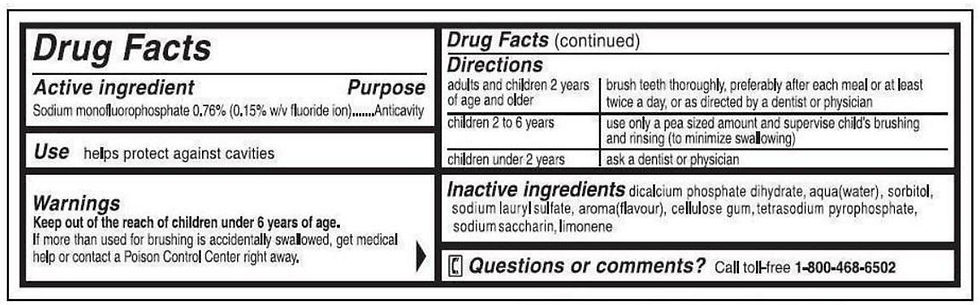
OTC oral care drugs: Products that claim to prevent, treat, or reduce disease (such as anti-cavity toothpastes, anti-gingivitis rinses, or plaque-control products) are regulated as OTC drugs.
Medical devices: Items like certain toothbrushes, dental floss, or oral irrigators may be classified as medical devices if they are intended for disease prevention or treatment.
The type of product determines the rigor of substantiation required for marketing claims and the regulatory pathway it must follow.
Substantiating Claims: What Counts as Evidence?
The cornerstone of compliant OTC oral care advertising is substantiation. The FTC requires that all health-related claims, whether express or implied, must be supported by "competent and reliable scientific evidence." This typically means well controlled clinical studies, published peer reviewed research, or, in some cases, consensus statements from authoritative bodies.
Common types of claims and required substantiation:
Efficacy Claims: Statements like "reduces plaque," "prevents cavities," or "whitens teeth in two weeks" must be backed by clinical trials (for performance or efficacy claims) or robust laboratory data (for mechanistic claims).
Comparative Claims: "Better than the leading brand" or "whitens faster than competitors" require head-to-head studies.
Endorsements and Testimonials: Claims made through endorsements must be representative and substantiated, and any material connections between the endorser and the company must be disclosed.
Implied Claims: Even if not stated outright, implied claims (such as showing a dentist in a white coat) may require substantiation if they suggest a product is recommended by professionals or has certain health benefits.
The Role of the ADA and Professional Standards
The ADA maintains strict advertising standards for products featured in its publications and for those seeking its Seal of Acceptance. These standards emphasize dignity, factuality, and usefulness, and prohibit misleading or exaggerated claims. The ADA’s Seal of Acceptance is only awarded to products that meet rigorous scientific criteria, providing an additional layer of trust for consumers and a valuable marketing asset for brands.
However, the ADA does not automatically endorse every product advertised in its publications. Unless an ad specifically states ADA endorsement, the presence of an ad should not be construed as such.
Truth-in-Advertising: Avoiding Misleading or Unfair Claims
The FTC’s authority extends to all forms of advertising, from traditional print and broadcast to digital and social media. The central tenets of FTC truth-in-advertising law are:
Ads must be truthful and not misleading.
Advertisers must have substantiation for all objective claims.
If a claim is likely to affect a consumer’s decision to purchase, it must be substantiated. The FTC has brought numerous enforcement actions against oral care brands for making unsubstantiated or deceptive claims, underscoring the importance of compliance.
Examples of problematic claims include:
Exaggerating the speed or degree of whitening without evidence.
Implying professional endorsement without authorization.
Suggesting a product can replace regular dental visits or professional cleanings.
Using testimonials that are not representative of typical results.
The “White Coat Rule” and Depictions of Professionals
Historically, some networks and publishers prohibited the depiction of medical professionals in OTC product advertising to avoid misleading consumers. Recent guidelines, such as those from ViacomCBS, now allow the appearance of dentists or hygienists in oral care ads for non-ingestible OTC products, provided the depiction is not misleading and is evaluated on a case-by-case basis. However, actors are generally not permitted to portray medical professionals unless they are actual, credentialed experts.
Digital Marketing and Social Media: New Frontiers, Old Rules
As oral care brands expand their reach through digital marketing, influencer partnerships, and social media campaigns, the same regulatory principles apply. Claims made on Instagram, TikTok, or YouTube must be substantiated, and any material connections between influencers and brands must be clearly disclosed. The FTC’s guidance on endorsements and testimonials is especially relevant in this space, as consumers increasingly rely on peer recommendations and online reviews.
Self-Care, Access, and the Evolving Policy Landscape
The importance of accessible, effective oral care products has never been greater. Legislation such as the Oral Health Products Inclusion Act aims to expand access by allowing essential oral care items to qualify as eligible medical expenses under Health Savings Accounts (HSAs) and Flexible Spending Accounts (FSAs). This policy shift reflects a broader recognition of the role oral health plays in overall wellness and the value of empowering consumers to take charge of their own oral hygiene.
Building Consumer Trust: The Role of Transparency and Education
In an era of information at ease and skepticism, consumer trust is a precious commodity. Brands that prioritize transparency, provide clear and accurate information, and back up their claims with credible evidence are more likely to succeed in the long run. Educational content, such as explainer videos, infographics, and blog posts, can help explain oral care science and empower consumers to make informed choices.
Common Pitfalls in Oral Care Advertising
Despite the clear regulatory framework, some brands fall into common traps that can lead to enforcement actions, reputational damage, or consumer backlash. These pitfalls include:
Overstating Benefits: Claims that a product can "cure" gum disease or "eliminate" all plaque are likely to draw scrutiny.
Cherry-Picking Data: Highlighting favorable results from a single study while ignoring contrary evidence.
Ambiguous Language: Using vague terms like "clinically proven" without specifying the nature or quality of the evidence.
Inadequate Disclosures: Failing to disclose material connections in influencer marketing or omitting necessary disclaimers.
The Impact of Non-Compliance: Legal and Reputational Risks
The consequences of non-compliant advertising can be severe. The FTC has the authority to impose fines, require corrective advertising, and seek injunctions against companies that violate truth-in-advertising laws. Beyond regulatory penalties, brands risk losing consumer trust and damaging their reputation in a highly competitive market.
Best Practices for Compliant and Effective Oral Care Marketing
To thrive in the OTC oral care market, brands should adopt a proactive approach to compliance and consumer engagement:
Invest in Clinical Research: Well-designed studies are the gold standard for substantiating claims.
Work with Regulatory Experts: Legal counsel and regulatory affairs specialists can help navigate complex requirements.
Prioritize Transparency: Clearly communicate the benefits and limitations of products.
Monitor Evolving Guidelines: Stay up to date of changes in FTC, FDA, and ADA standards, as well as emerging policy trends.
The Future of OTC Oral Care Advertising: Trends and Innovations
The oral care industry is ripe for continued innovation, with advances in ingredient technology, personalized products, and digital health tools. As new products and claims emerge, the regulatory landscape will continue to evolve. Brands that embrace scientific rigor, ethical marketing, and consumer empowerment will be best positioned to succeed.
As oral health continues to gain recognition as a cornerstone of overall wellness, the stakes for compliant and effective marketing have never been higher. Whether you are a brand manager, marketer, dental professional, or informed consumer, understanding the rules of the road is essential to navigating the ever-changing world of OTC oral care advertising.
Howard Law is a business, regulatory and M&A law firm in the greater Charlotte, North Carolina area, with additional services in M&A advisory and business brokerage. Howard Law is a law firm based in the greater Charlotte, North Carolina area focused on business law, corporate law, regulatory law, mergers & acquisitions, M&A advisor and business brokerage. Handling all business matters from incorporation to acquisition as well as a comprehensive understanding in assisting through mergers and acquisition. The choice of a lawyer is an important decision and should not be based solely on advertisements. The information on this website is for general and informational purposes only and should not be interpreted to indicate a certain result will occur in your specific legal situation. Information on this website is not legal advice and does not create an attorney-client relationship. You should consult an attorney for advice regarding your individual situation. Contacting us does not create an attorney-client relationship. Please do not send any confidential information to us until such time as an attorney-client relationship has been established.


Comments